The intriguing history of casinos From ancient rituals to modern entertainment Wprld Cup 2026 Prediction Today
The Origins of Gambling
The history of casinos can be traced back to ancient civilizations where gambling was interwoven with religious and cultural rituals. The earliest forms of gambling were often associated with divination, where the outcome of dice or other games was believed to reflect the will of the gods. For instance, the ancient Chinese played games with tiles dating back to 2300 B.C. that resembled modern gambling, indicating that the allure of risk and chance has fascinated humanity for millennia. Given this rich heritage, individuals keen on betting can find much to explore, especially with World Cup 2026 Predictions Today daily on worldcuppredictions.today.
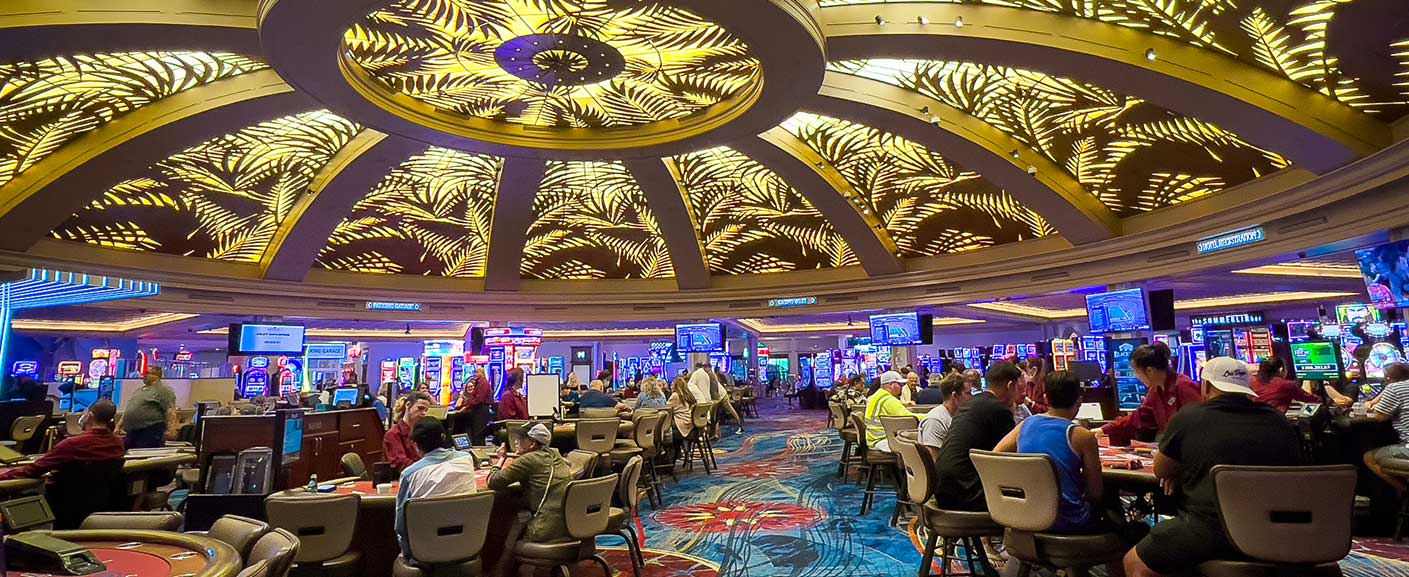
In ancient Rome, games of chance became a popular pastime among the elite, with evidence of dice games and betting in social gatherings. The Romans used small pottery chips as betting tokens, a precursor to modern gaming chips. These early activities laid the groundwork for structured gambling establishments, as individuals sought communal spaces to engage in games of chance, solidifying the social nature of gambling as part of human entertainment.
As societies evolved, so did the methods and motivations for gambling. By the Middle Ages, gambling had become widespread across Europe, leading to the establishment of gaming houses, which operated similarly to today’s casinos. These early establishments paved the way for the transformation of gambling from informal play into a regulated industry, marking a significant evolution in how societies viewed risk, luck, and entertainment.
The Rise of Formal Casinos
The emergence of formal casinos began in the 17th century, particularly with the opening of the first casino in Venice, known as the Ridotto. This establishment was designed to offer a controlled environment for gambling, which was a revolutionary concept at the time. Patrons enjoyed games such as faro and basset in a setting that combined luxury and leisure, thus creating a prototype for modern casinos. The success of the Ridotto inspired the development of similar venues across Europe, further popularizing gambling.
By the 18th and 19th centuries, casinos began to flourish in cities like Paris and Monte Carlo. The Casino de Paris became famous for its elegant atmosphere and high-stakes games, attracting the wealthy elite from around the world. These establishments were not just places to gamble but hubs of social activity, hosting lavish events and performances, thus intertwining entertainment with gambling in a way that appealed to a broader audience.
As the casino industry evolved, so did the games themselves. The introduction of games like roulette and blackjack transformed gambling experiences, offering players more choices and opportunities to win. The establishment of regulatory bodies in many countries ensured fair play and transparency, making casinos a legitimate source of entertainment. This evolution marked a pivotal point, as casinos became synonymous with luxury, thrill, and social engagement in the modern era.
The Modern Casino Landscape
Today’s casinos are a far cry from their ancient and medieval predecessors. With advancements in technology, modern casinos blend traditional gaming experiences with cutting-edge innovations. From electronic slot machines to sophisticated online platforms, the gaming industry has adapted to cater to a diverse demographic. The rise of online gambling has particularly transformed how people engage with games of chance, allowing players to enjoy casino experiences from the comfort of their homes.
Physical casinos now offer a wide range of entertainment options beyond traditional gambling. Many venues include fine dining, live shows, and luxury accommodations, creating an all-encompassing entertainment experience. The integration of technology in these spaces, such as virtual reality gaming and mobile betting apps, signifies an ongoing evolution aimed at enhancing player engagement and satisfaction. This blending of experiences continues to attract both casual players and serious gamblers.
The global casino industry has also been significantly influenced by cultural shifts and regulations. As more countries recognize the potential economic benefits of legalized gambling, new markets have opened up. Cities like Las Vegas and Macau have become global gambling meccas, drawing millions of tourists and generating substantial revenue for their respective regions. This growth reflects a broader acceptance of gambling as a form of entertainment, marking a significant cultural shift towards risk-taking and the thrill of chance.
The Role of Casinos in Popular Culture
Casinos have deeply influenced popular culture, serving as settings for numerous films, novels, and music. From iconic movies like “Casino Royale” to television series that explore the high-stakes world of gambling, casinos often represent both danger and allure. These portrayals highlight the dual nature of gambling—while it offers the promise of riches, it also embodies the risks associated with chance and loss.
The romanticized view of casinos in media often overlooks the complex realities of gambling addiction and societal impacts. However, the fascination with casinos remains strong. Many films and shows glamorize the lifestyle of professional gamblers, leading to a surge in interest among the public. This increased visibility has contributed to a culture that celebrates both the thrill of victory and the agony of defeat, encapsulating the rollercoaster emotions that accompany gambling experiences.
Moreover, events like the World Series of Poker and various international gaming competitions have further cemented the status of casinos in contemporary culture. These events not only showcase skilled players but also create opportunities for significant winnings, enticing a new generation of enthusiasts. The interplay between casino culture and popular media continues to shape perceptions and interest in gambling as both a recreational activity and a competitive sport.

Insights from World Cup Predictions Today
World Cup Predictions Today serves as a unique intersection of sports betting and casino entertainment, particularly as the 2026 FIFA World Cup approaches. With the global excitement surrounding this major sporting event, fans are increasingly looking for reliable predictions and insights to guide their betting decisions. The site offers comprehensive analysis, focusing on team dynamics, player performances, and historical data to enhance the betting experience. Many are eager to explore the Wprld Cup 2026 Prediction Today to utilize expert insights effectively.
As sports betting becomes an integral part of the casino experience, the insights provided by platforms like World Cup Predictions Today empower bettors with the knowledge necessary to make informed choices. The rise of online betting means that fans can easily engage with the excitement of the World Cup from anywhere in the world, reflecting a broader trend where sports and gambling are closely intertwined.
By combining expert analysis with user-friendly access to information, World Cup Predictions Today enhances the excitement of betting on the World Cup. Whether for casual fans or seasoned bettors, the site simplifies the complexities of sports betting, ensuring everyone can participate in the thrilling world of gambling associated with major sporting events. This blend of sports and gambling mirrors the historical evolution of casinos, showcasing how entertainment continues to adapt and thrive in contemporary society.